Relocating a business involves much more than moving desks, computers, and office equipment. Before a company can settle into a new location, it often needs to clear out old furniture, damaged fixtures, packaging materials, outdated displays, and other unwanted items. I have found that waste removal is one of the details that can easily be overlooked during a commercial move. Planning for dumpster services early can make the relocation more organized and help employees focus on getting the business ready for its next stage.
Why Business Moves Create So Much Waste
A business can collect years of unused materials without anyone noticing. Storage rooms may contain broken chairs, old filing cabinets, empty boxes, outdated promotional displays, and equipment that is no longer needed. When the company prepares to move, these items finally need to be sorted and removed.
Retail stores often have a different set of challenges. Shelving, display stands, packaging, signs, and damaged stock can create a large amount of waste during a move. Offices may need to dispose of old desks, partitions, carpeting, and general renovation debris. Restaurants and other commercial properties may also have fixtures and nonworking equipment that cannot be moved to the new location.
I recommend starting the cleanup before the moving date gets close. Waiting until the final days can create unnecessary pressure because employees are already busy packing and coordinating transportation.
Planning the Cleanup Before Moving Day
The first step is to identify what the business actually needs to remove. I usually suggest walking through every room, storage area, and shared space with a clear list of items that will not be taken to the new property. Separating unwanted materials from items that will be moved helps prevent useful equipment from being thrown away by mistake.
It is also helpful to divide the waste into categories. General rubbish, furniture, packaging, renovation debris, and recyclable materials may need different handling. Some electronics, batteries, chemicals, and other restricted materials may require separate disposal arrangements rather than being placed in an ordinary rental container.
Once the amount and type of waste are understood, the business can discuss its requirements with a dumpster provider. Sharing details about the property, cleanup schedule, and expected materials makes it easier to select an appropriate container and rental period.
Selecting a Suitable Dumpster Size
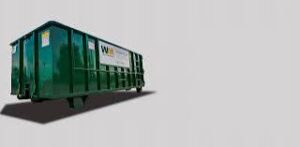
Choosing the right container is an important part of the planning process. A small office clearing out a few rooms may need much less capacity than a retail business removing old shelving, display units, and large quantities of packaging.
I would not recommend choosing a container based only on the number of employees or the size of the building. The actual volume of unwanted material is more important. A company with a small office but several storage areas may generate more waste than a larger office that has already been cleared.
A reliable provider can help estimate the required size after learning about the materials involved. It is worth explaining whether the project includes bulky furniture, construction debris, or heavy items because weight limits can affect the rental arrangement.
Keeping the Relocation Site Organized
A dumpster can provide one central location for approved waste, which helps prevent discarded materials from spreading across the property. This becomes especially useful when several departments are packing at the same time.
I suggest creating a designated disposal area that employees can reach without crossing busy loading zones. The container should be placed where delivery and collection vehicles can access it safely. Doors, emergency exits, pedestrian paths, and neighboring properties should remain clear.
Clear instructions also make a difference. Employees should know which materials can go into the container and which items need separate handling. Without these instructions, someone may place electronics, hazardous materials, or reusable equipment in the wrong area.
Understanding Rental Periods and Scheduling
Business relocations often happen according to strict deadlines. The old premises may need to be handed back by a specific date, while the new location may require cleaning or preparation before staff can begin working there.
For this reason, I recommend arranging dumpster delivery according to the actual cleanup schedule. Having a container arrive too early may take up valuable parking or loading space. Having it arrive too late can leave the company with piles of waste that interfere with moving activities.
It is also important to confirm how long the rental includes the container. If the cleanup takes longer than expected, the business should understand whether an extension is possible and whether additional charges apply. Delivery, collection, weight limits, and prohibited materials should all be discussed before the agreement is finalized.
Managing Costs During a Commercial Move
Moving a business can involve many expenses, including transportation, employee time, packing supplies, repairs, and deposits. Waste removal should be included in the relocation budget rather than treated as an unexpected final expense.
The rental price is only one part of the total cost. The company should also ask about included rental days, disposal charges, weight allowances, delivery fees, collection costs, and possible overage charges. A low initial quote may not represent the final amount if important fees are excluded.
I find that careful sorting can help control costs. Items that are still useful may be donated, sold, transferred to another branch, or reused at the new property. Keeping suitable materials out of the waste container can reduce the amount that needs to be hauled away.
Making Responsible Disposal Decisions
Not everything removed from a business should automatically be treated as rubbish. Office furniture, shelves, working appliances, and supplies may have value to another organization. Local charities, resale businesses, and recycling facilities may accept certain items depending on their condition and policies.
Electronic equipment deserves special attention. Computers, printers, monitors, and other devices may contain materials that require approved recycling or specialized handling. Businesses should also protect confidential information by securely removing or destroying data before disposing of old devices.
A dumpster provider can explain which materials are accepted in its containers, but the business remains responsible for identifying items that require special disposal. Asking questions before loading begins can prevent delays and additional costs.
Preparing the New Workplace for a Fresh Start
A successful relocation should leave the old property clear while giving employees a clean and organized place to begin working. Once unwanted materials have been removed, the business can focus on cleaning floors, checking fixtures, arranging equipment, and preparing work areas.
I have found that separating the cleanup process from the actual moving process makes the entire job easier to manage. Employees are less likely to waste time moving items that will eventually be discarded, and moving crews have more room to work safely.
The best results usually come from planning waste removal several days or weeks before the move, depending on the size of the business. A suitable container, a clear disposal plan, and a realistic rental schedule can prevent many last-minute problems.
Dumpster services are a practical part of commercial relocation because they provide a planned way to handle unwanted materials. When businesses organize the cleanup early, compare rental arrangements, and follow proper disposal requirements, they can make the transition to a new workplace much smoother.